
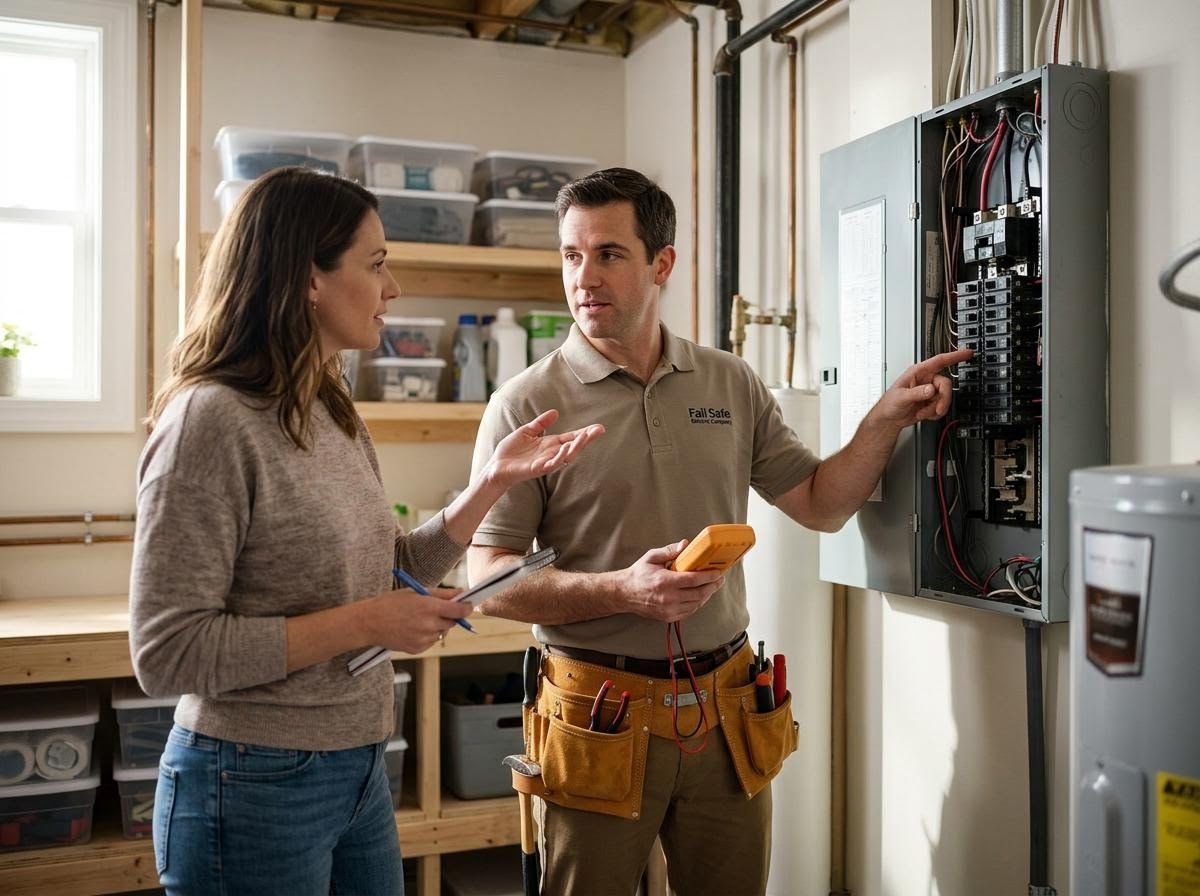
Ensuring the safety and efficiency of your home's electrical system is paramount, and a thorough electrical inspection is a key part of maintaining that peace of mind. Whether you're buying a new home, renovating, or simply haven't had your electrical system checked in years, preparing for this important assessment can help the process run smoothly. Here at Fail Safe Electric Company, we believe an informed homeowner is a safe homeowner, and understanding what goes into an inspection can help you protect your investment.
Why Regular Electrical Inspections Are Essential
Electrical systems are complex and, like any other part of your home, they age and can develop issues over time. Regular inspections by a qualified professional can identify potential hazards such as faulty wiring, overloaded circuits, or outdated components before they lead to serious problems like electrical fires or power outages. Beyond safety, an inspection can also pinpoint inefficiencies that might be driving up your energy bills or ensure your home's electrical system complies with current local electrical codes, which is vital for insurance purposes and resale value. Proactive checks can save you significant time, money, and stress in the long run.
What to Expect During an Electrical Inspection
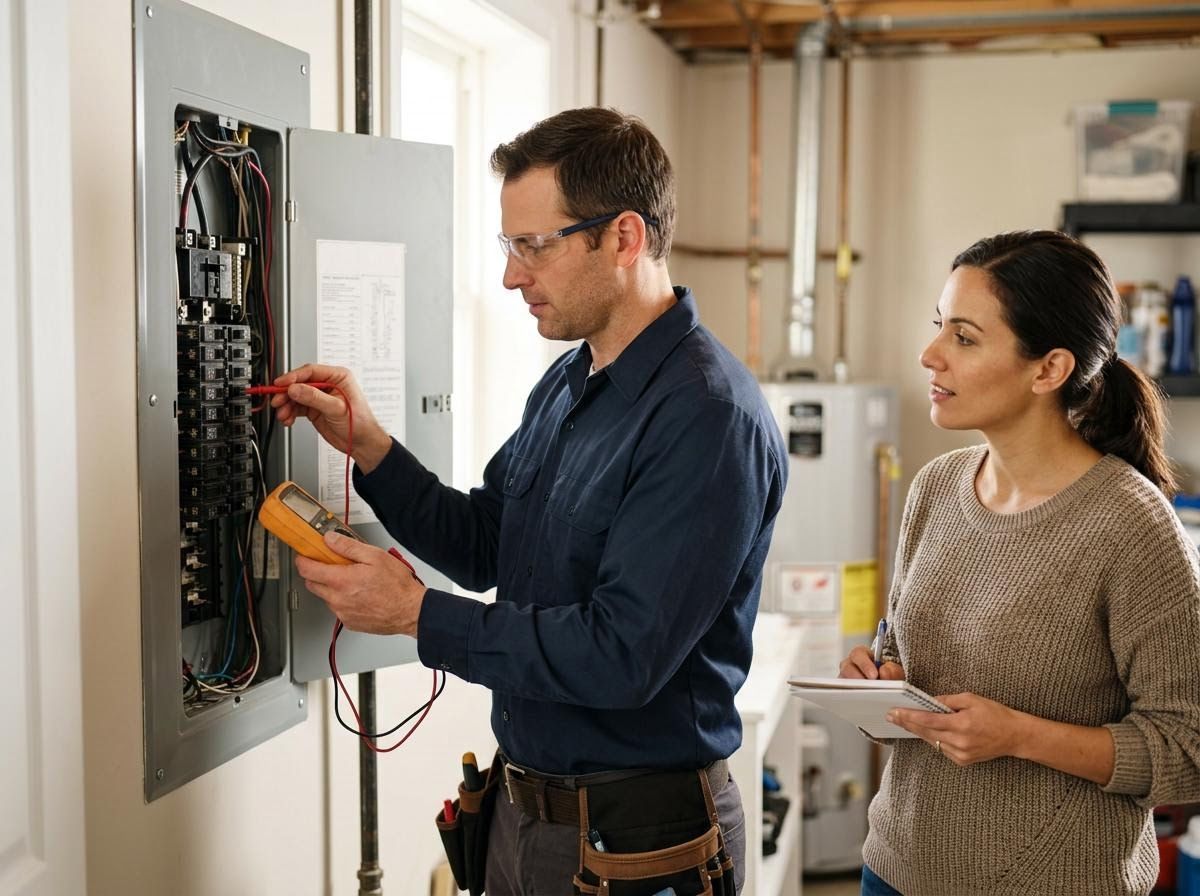
During a comprehensive home electrical inspection, a certified electrician will meticulously examine various components of your system. This typically includes a thorough check of your electrical service panel to ensure proper labeling, breaker functionality, and wire condition. They will also inspect the wiring throughout your home, looking for frayed insulation, improper connections, and correct grounding. Outlets, switches, and fixtures will be tested for functionality, proper installation, and safety features like GFCI (Ground Fault Circuit Interrupter) and AFCI (Arc Fault Circuit Interrupter) protection in required areas. The goal is to assess the overall integrity, safety, and capacity of your electrical setup.
Simple Steps to Prepare for Your Inspection
While the bulk of the inspection is the responsibility of the professional, there are a few simple things you can do to prepare and ensure a smooth process. First, clear access to your electrical panel, any sub-panels, and major appliances (like the water heater or furnace) that utilize significant electrical power. Ensure pathways to various rooms are clear so the inspector can easily access outlets and switches. If you have any specific concerns, such as flickering lights, frequently tripped breakers, or warm outlets, make a list to share with the electrician. Gathering any documentation about previous electrical work or renovations can also be helpful.
Regular electrical inspections are a vital component of home maintenance, safeguarding your property and loved ones against potential hazards and ensuring your system operates efficiently. By understanding the process and taking a few preparatory steps, you contribute to a smoother, more effective assessment. To learn more about the specifics of what a professional electrical inspection entails for your home, we invite you to explore our services and resources.