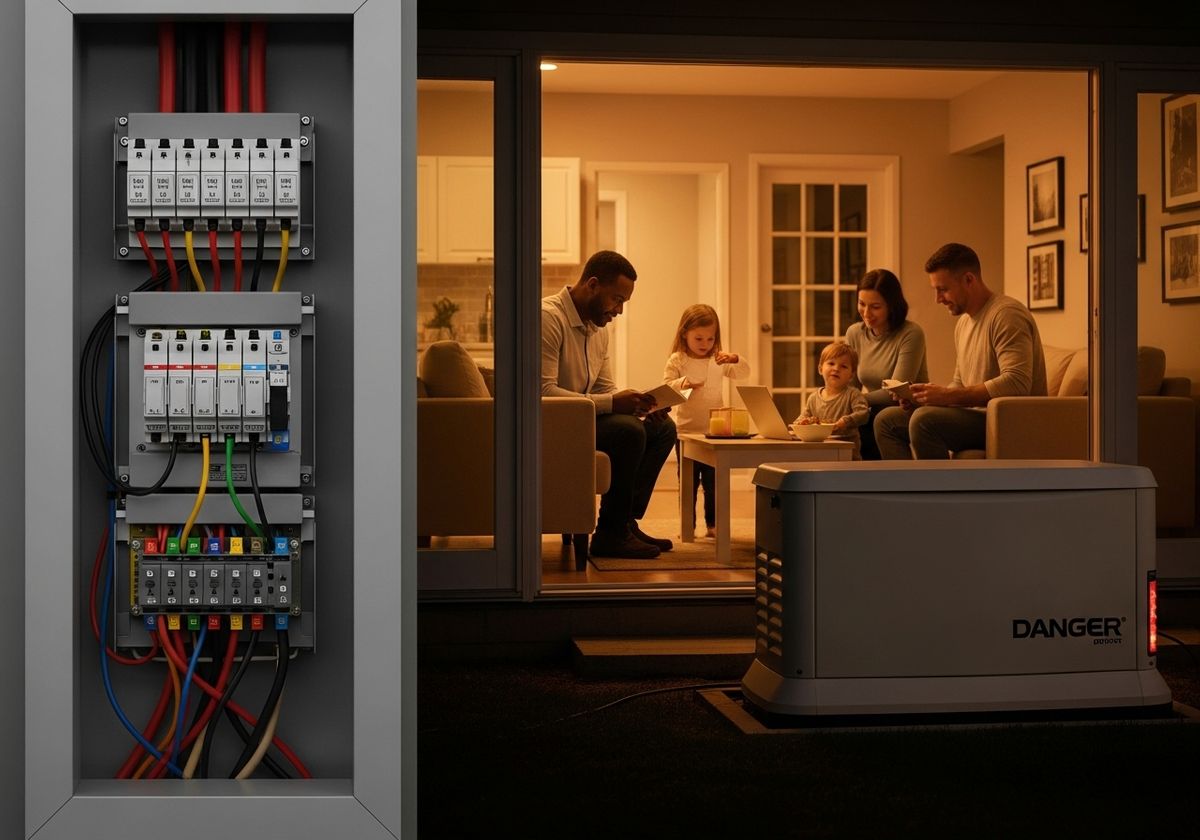
Is your home or business prepared for the next power outage? Unexpected blackouts can disrupt your daily life, halt business operations, and even compromise your safety. At Fail Safe Electric, we understand the importance of having a reliable backup power source. That's why we've created this guide to help you navigate the world of generator backup power and choose the best option for your needs.
Understanding Your Power Needs
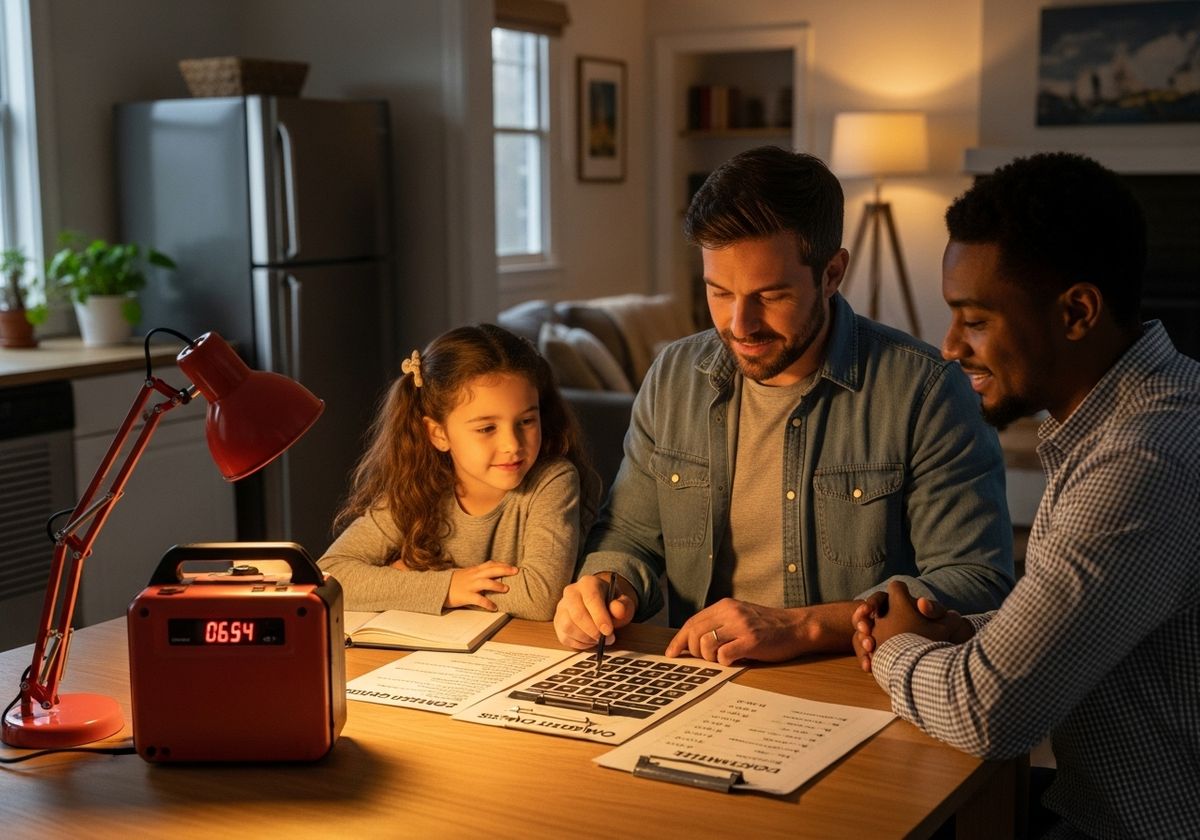
Before diving into generator types, it's crucial to assess your power requirements. Consider the essential appliances and systems you need to keep running during an outage. This might include refrigerators, freezers, medical equipment, lighting, heating, and cooling systems. Calculate the wattage of each item and add them up to determine your total power needs. This calculation will help you choose a generator with sufficient capacity.
Types of Backup Generators
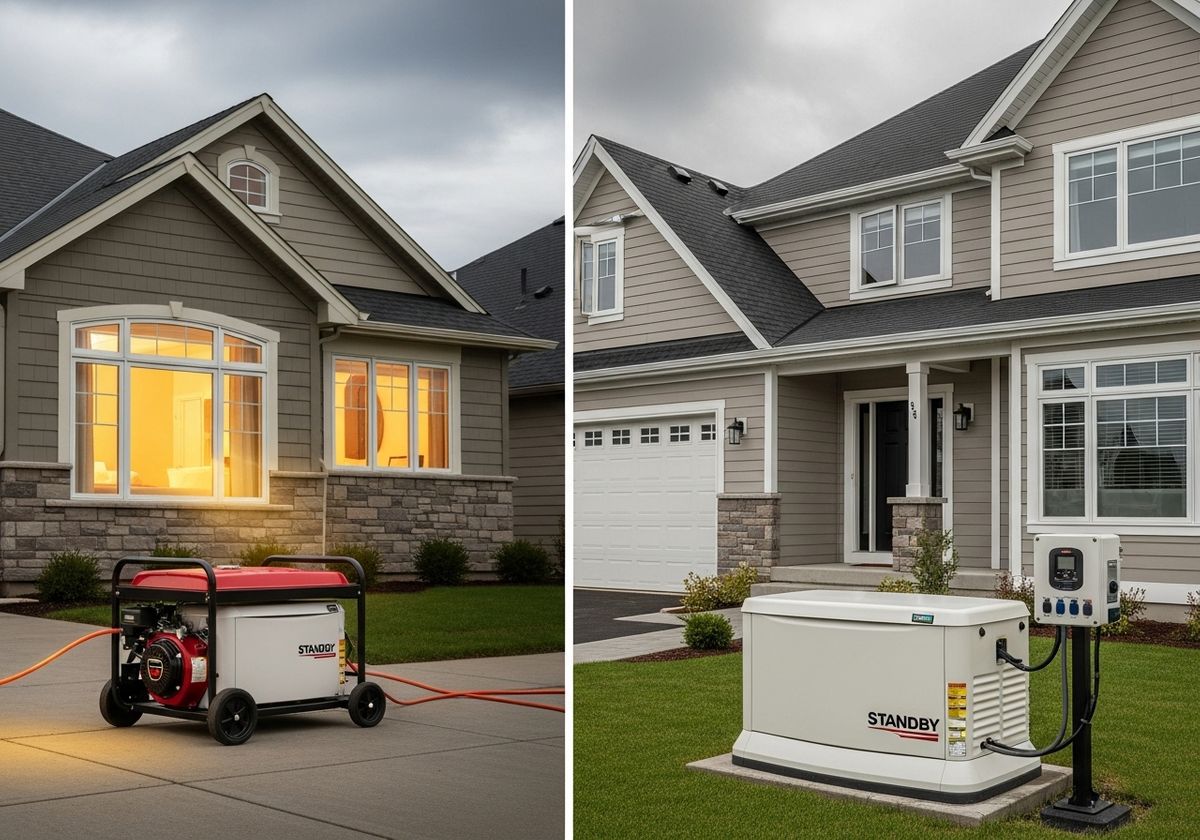
Portable Generators: These are a cost-effective and versatile option for providing temporary power. They run on gasoline or propane and can be easily moved to different locations. Portable generators are ideal for powering essential appliances and lights during short outages.
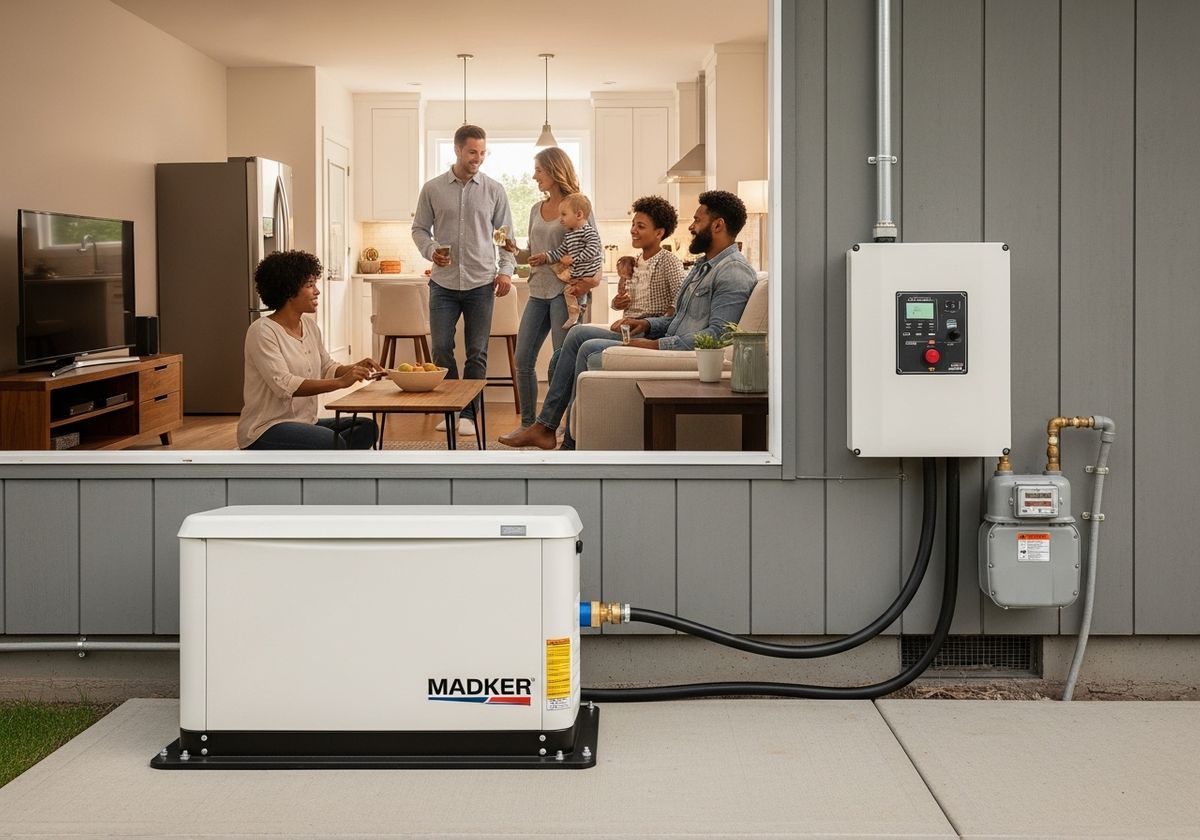
Standby Generators: A standby generator offers a more comprehensive solution for long-term power outages. These generators are permanently installed and connected to your home's electrical system. When the power goes out, the generator automatically starts and restores power within seconds. Standby generators run on natural gas or propane, providing a seamless and reliable backup power supply.
Choosing the Right Generator
Selecting the right generator depends on several factors, including your power needs, budget, and installation requirements. Consider the following when making your decision:
Power Output: Ensure the generator has enough wattage to power your essential appliances and systems.
Fuel Type: Choose between gasoline, propane, or natural gas based on availability and cost.
Automatic Transfer Switch (ATS): An ATS automatically switches the power source from the utility grid to the generator during an outage.
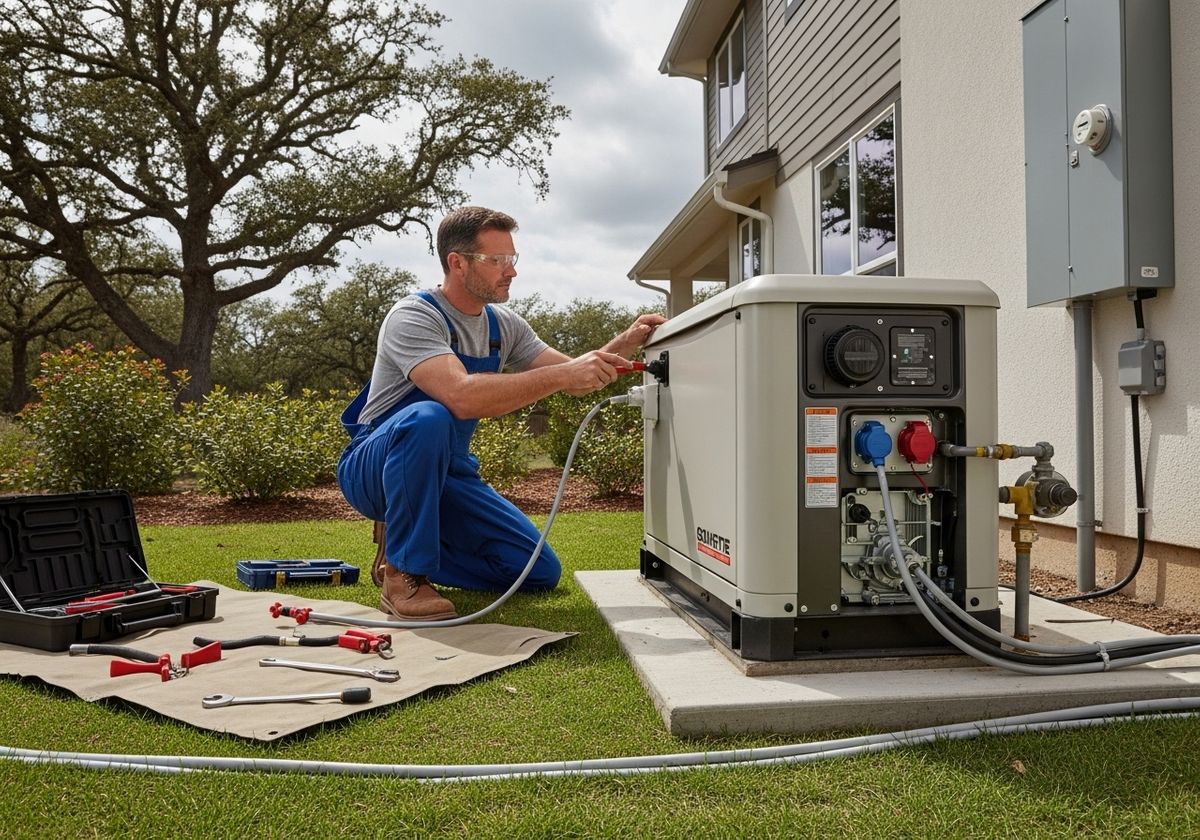
Installation: Portable generators can be set up by the homeowner, while standby generators require professional installation by a qualified electrician.
Professional Installation and Maintenance
For standby generators, professional installation is essential to ensure safe and reliable operation. A qualified electrician will handle the electrical connections, fuel lines, and ventilation requirements. Regular maintenance is also crucial to keep your generator in top condition. Schedule annual inspections and tune-ups to prevent unexpected breakdowns and prolong the lifespan of your generator.

Generators Backup Power: The Fail Safe Electric Solution
Don't let power outages leave you in the dark. Understanding your power needs and exploring the different generator options available is the first step towards ensuring you always have a reliable backup power source. From portable units to whole-house standby systems, there's a generator to fit every need and budget. At Fail Safe Electric, we're dedicated to providing top-notch electrical solutions, ensuring your peace of mind during any power outage. Contact us today to discuss your backup power needs and schedule a consultation, or visit our website to learn more.