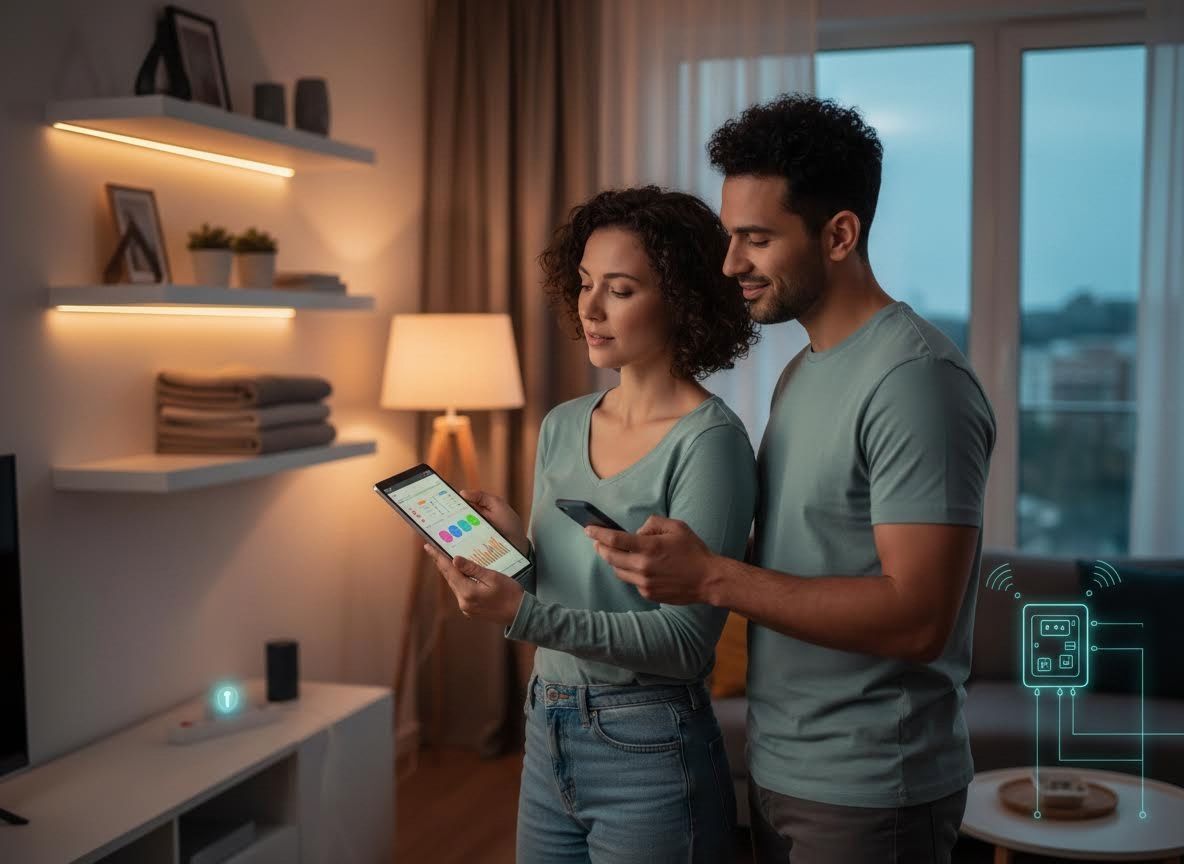
Smart home devices have rapidly integrated into modern living, promising unparalleled convenience and, often, significant energy savings. However, a common question arises: are these devices truly energy efficient, or do their own power demands counteract their benefits? At Fail Safe Electric Company, we aim to provide clear, reliable answers to help homeowners make informed decisions about their electrical systems.

The Promise Versus the Power Consumption
Many smart home devices are marketed with energy efficiency as a key benefit. Smart thermostats learn your habits to optimize heating and cooling, while smart lighting systems allow for precise control and scheduling, reducing wasted electricity. These innovations can indeed lead to measurable savings. However, it's important to remember that these devices also consume power themselves to maintain Wi-Fi connectivity, process data, and remain responsive. This constant, low-level power draw, sometimes referred to as "vampire drain," can slightly offset the overall energy savings if not managed effectively.
Optimizing Efficiency Through Smart Usage and Integration
The real energy efficiency of smart home devices largely depends on how they are used and how well they are integrated into your home's ecosystem. Simply installing smart devices without actively utilizing their energy-saving features will yield minimal benefits. For instance, a smart plug can help monitor and control energy use for individual appliances, but its impact is greatest when used to automatically shut off devices that are known energy vampires. A holistic approach, where devices communicate and work together, such as smart blinds responding to a smart thermostat, maximizes potential savings.
The Role of Your Home's Electrical Infrastructure
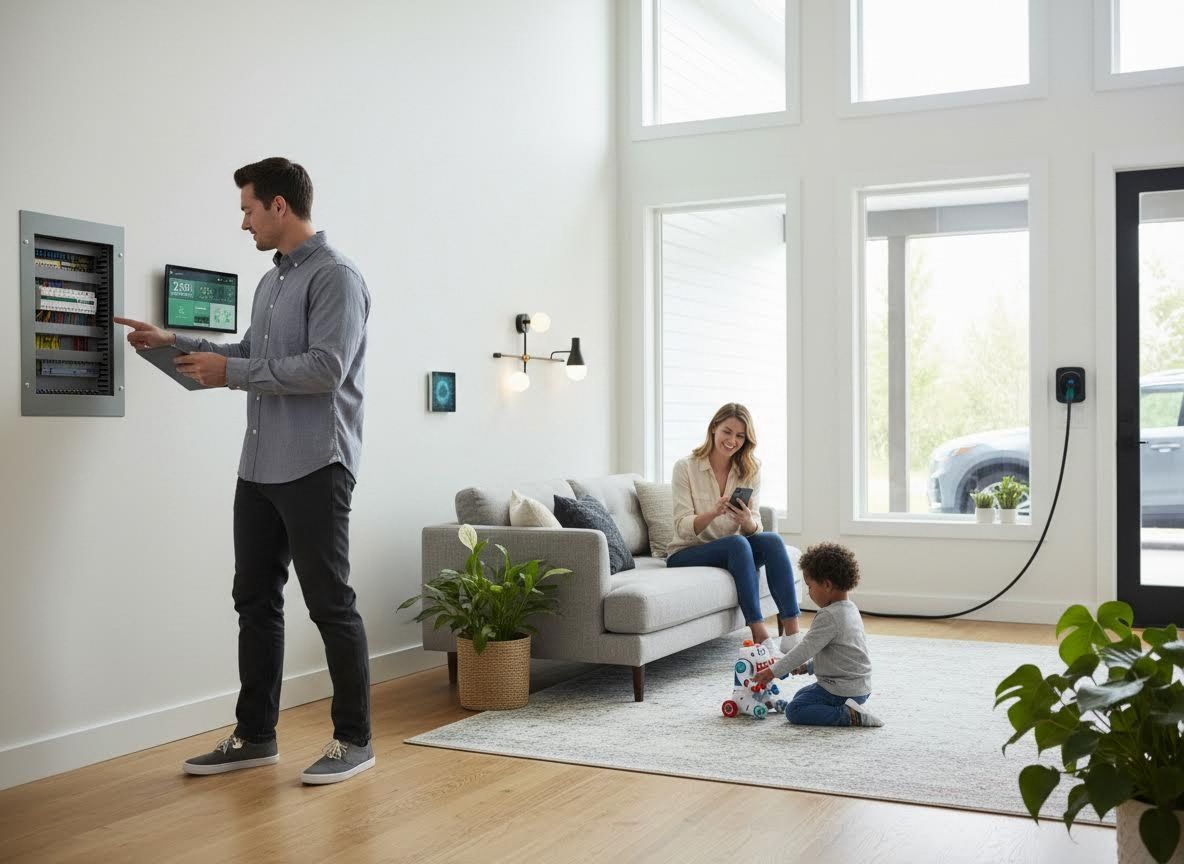
Beyond individual device usage, the underlying electrical infrastructure of your home is critical for maximizing efficiency and reliability in a smart home setup. As you add more smart devices, and potentially high-demand additions like an ev charge installation, ensuring your electrical system can handle the load becomes paramount. Considerations such as updating electrical panel to a more modern, higher-capacity unit can prevent overloads and ensure consistent power delivery. For those seeking enhanced reliability, integrating house backup power solutions can ensure your smart home remains functional even during outages, further enhancing its value and security. A professional electrician can assess your existing residential electric service and recommend necessary upgrades.
While smart home devices offer substantial potential for convenience and energy savings, their true efficiency is a complex equation involving careful usage, system integration, and a robust electrical foundation. Partnering with a qualified electrician ensures your smart home is not only convenient but also safely and genuinely energy efficient. To explore how your home's electrical system can be optimized for smart technology and future needs, consider a professional consultation with Fail Safe Electric Company.